
Meningitis outbreak kills 33 in Sokoto
The latest reports from Sokoto State confirm a devastating outbreak of cerebrospinal meningitis that has claimed at least 33 to 34 lives (mostly children) and infected over 250 people across several local government areas.
Here is a breakdown of the current situation as of May 7, 2026:
Scope of the Outbreak
Casualties: Official figures indicate 33 or 34 deaths, with many occurring before patients could reach a healthcare facility.
Infections: Approximately 254 to 256 confirmed cases have been recorded.
Affected Areas: The outbreak has spread across nine Local Government Areas (LGAs). The hardest-hit regions include:
Sabon Birni (specifically Kurawa village)
Wamakko
Shagari
Key Drivers and Challenges
Health authorities and environmental experts, including Prof. Arkilla, have identified several factors contributing to the rapid spread:
Environmental Factors: Intense heat and poor ventilation in living spaces.
Delayed Treatment: A major concern for health officials is "delayed health-seeking behavior." Many families initially attributed the symptoms to spiritual causes, leading to deaths that might have been prevented with early medical intervention.
Logistics: The remote nature of some affected villages like Kurawa has made rapid response more difficult.
Government and Medical Response
Treatment Success: The State Ministry of Health noted that patients who were brought to hospitals early have responded well to treatment and are recovering.
Emergency Measures: Medical teams have been deployed to the affected LGAs to provide emergency care and conduct sensitization campaigns to dispel myths about the disease.
Advisories: Earlier in the season, NIMET and health agencies had issued warnings to high-risk states like Sokoto and Kebbi, urging residents to stay in well-ventilated areas and report symptoms like high fever, neck stiffness, and headaches immediately.
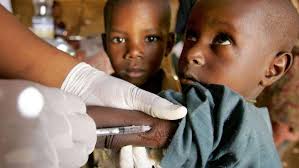
Health officials continue to urge residents to avoid overcrowded spaces and ensure that children are vaccinated, as the "meningitis belt" remains under high alert during this dry, hot season.