

Lagos links domestic violence, delinquency to weak parenting
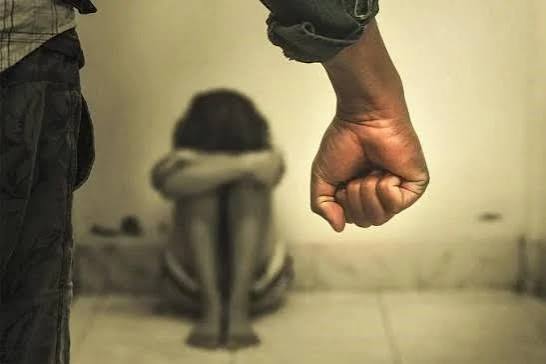
In a sharp policy critique targeting the root causes of social decay, the Lagos State Government has formally linked the escalating rates of domestic violence, juvenile delinquency, substance abuse, and school bullying directly to weak family structures and inadequate parental guidance.
The warning was delivered by the state’s Commissioner for Women Affairs and Poverty Alleviation, Bolaji Dada, during a high-level stakeholder engagement program themed *“Transforming Families Through Positive and Intentional Parenting”*.
Here is a detailed breakdown of the state's warning, the underlying societal triggers, and the framework being deployed to rescue the family unit.
Speaking to an assembly of parents, caregivers, and child protection advocates in Ikeja, Commissioner Dada emphasized that the micro-culture of the home serves as the primary incubator for societal behavior. According to the state government, parenting must extend far beyond meeting a child's basic material or financial needs.
The administration underscored three primary systemic failures traced back to weak domestic environments:
*The Breakdown of Emotional Connection:* Homes characterized by chronic conflict, emotional detachment, or total parental absenteeism leave children vulnerable to external negative influences, including street gangs and illicit peer pressure.
*Harsh Discipline vs. Actual Guidance:*Officials cautioned against authoritarian parenting methods that rely on intimidation, severe corporal punishment, or emotional abuse under the guise of "discipline," noting that such environments breed aggressive tendencies in children.
*The Communication Gap:* A lack of open, trusted dialogue between parents and adolescents often forces youths to seek validation and guidance from unregulated digital spaces and antisocial peer groups.
"Domestic violence, substance abuse, juvenile delinquency, bullying, and other forms of anti-social behaviour often have their roots in unhealthy family relationships and inadequate parental guidance. Strengthening parenting practices is one of the most effective ways of building safer communities."
*Bolaji Dada, Commissioner for Women Affairs and Poverty Alleviation*
Reinforcing the state's position, civil society actors at the forum stressed the urgent need to modernize household management styles. Bose Ironsi, Executive Director of the Women's Rights and Health Project (WRAHP), noted that effective child-rearing must transition away from models driven strictly by fear and control.
┌───────────────────────────────────┐
│ THE PILLARS OF POSITIVE PARENTING │
└─────────────────┬─────────────────┘
│
┌─────────────────────────────┼─────────────────────────────┐
▼ ▼ ▼
┌─────────────────┐ ┌─────────────────┐ ┌─────────────────┐
│ ACTIVE PRESENCE │ │ OPEN DIALOGUE │ │ PATIENT GUIDANCE│
│Both parents │ │Building trust │ │Replacing harsh │
│actively engaged │ │so children can │ │intimidation with│
│in daily lives. │ │speak without │ │constructive │
│ │ │fear. │ │correction. │
Ironsi urged both fathers and mothers to remain actively involved in their children's upbringing, warning that the growing trend of absent parenting places an undue psychological burden on young people navigating the complexities of modern urban life.
To combat the fallout of weak domestic structures, the Lagos State Government is leveraging its existing institutional apparatus to provide safety nets and early interventions.
Families struggling with behavioral or domestic crises are being directed to utilize state-backed institutional frameworks, including:
*The Domestic and Sexual Violence Agency (DSVA):* Coordinating specialized support, psychological counseling, and rescue protocols for at-risk minors.
*The Ministry’s Domestic Violence Unit:* Offering community-level education and legal referral pathways.
*The Child Protection Network & Office of the Public Defender (OPD):* Providing free legal and social intervention for abused or neglected children.
As Lagos continues to grapple with the pressures of rapid urbanization, the state government's message remains clear: building a safer, more prosperous society begins by fixing the broken connections inside the home.