
Meat disappears from Nigerian homes as cow prices soar
A compounding economic crisis has taken a stark toll on the dining tables of millions of Nigerians. Due to an unprecedented surge in cattle prices, beef—traditionally a core staple of the Nigerian diet—is rapidly disappearing from meals in low-income and middle-class households across the country.
With the 2026 Eid-al-Adha (Sallah) celebrations just around the corner, livestock and meat prices have reached historic highs, creating a major food security and public health dilemma.
The Numbers: "Cows Cost More Than Cars"
The financial realities in livestock markets across major commercial hubs like Lagos, Ibadan, and Abuja have left both butchers and consumers in shock:
The ₦2.5 Million Cow: Market unions and butchers have raised alarms that large, healthy cattle which previously sold for hundreds of thousands of Naira are now fetching between ₦2 million and ₦2.5 million.
The Shrinking ₦1,000 Purchase: In local open markets, butchers lament that the traditional, small quantities of beef (popularly called shaki, bokoto, or kpakmo) are no longer viable to sell at low price points. A few small chunks of meat that used to cost ₦1,000 to ₦2,000 now command prices that average families simply cannot afford.
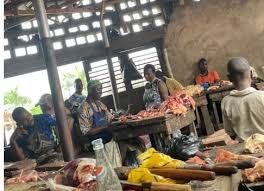
Desolate Meat Stalls: Major meat markets have fallen exceptionally quiet. Many retail butchers are refusing to buy cattle at current rates, fearing they won't be able to make a profit, leaving their stalls empty.
What is Driving the Crisis?
The sudden pricing out of cow meat is driven by a perfect storm of economic, logistical, and security factors:
Skyrocketing Transportation Costs: The removal of fuel subsidies and the ongoing volatility of diesel and petrol prices have dramatically increased the cost of hauling cattle via trailers from Northern breeding grounds down to Southern consumer markets.
Insecurity along Trade Routes: Continued banditry, kidnapping threats, and farmer-herder conflicts along major agricultural corridors have restricted the movement of cattle rearers and increased the physical risk—and insurance premiums—of livestock trade.
Feed and Veterinary Inflation: The severe devaluation of the Naira has driven up the cost of imported veterinary medicines, animal vaccines, and specialized feed concentrates, forcing cattle rearers to transfer the costs directly down the supply chain.
The Public Health Fallout: "Hidden Hunger"
Nutritionists and health experts are warning that the sudden removal of beef from the daily diets of vulnerable citizens will trigger severe health consequences, specifically "hidden hunger" (micronutrient deficiencies).
"The total absence of affordable animal protein is exposing millions, especially growing children, to severe malnutrition, stunting, and muscle wasting. When families resort to eating purely carbohydrate-based meals without protein, the long-term immunological and developmental costs are devastating."
The Squeeze on Substitutes
As families abandon beef, they are turning heavily to alternatives like eggs, fish (such as Titus or local ice-fish), and beans. However, this sudden shift in demand has trigger-pulled inflation in those sectors as well, making even basic beans and eggs increasingly expensive for the average household.
With butchers officially calling on the Federal Government to urgently intervene via targeted transport subsidies or livestock interventions, the situation remains highly critical as Nigerians navigate a incredibly tough economic season.
Related News