
"Dial Back to Palasa": Nigerians Reverting to Feature Phones
For nearly a decade, cheap Android smartphones were hailed as the ultimate engines of Africa’s digital boom. They brought mobile banking, social commerce, and high-speed internet to the pockets of everyday citizens. But in mid-2026, across Africa’s largest mobile market, a quiet revolution is happening in reverse.
Confronted by crushing inflation, currency depreciation, and a steep rise in telecommunication tariffs, millions of Nigerians are making a drastic lifestyle choice: locking away their sleek smartphones and returning to the basic, non-Android "feature phones" of the early 2000s.
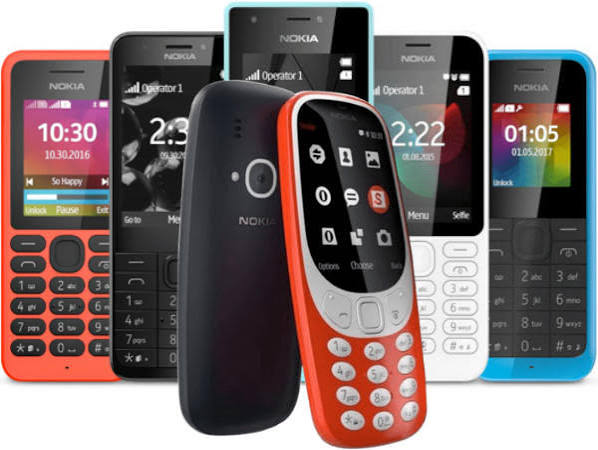
Locally dubbed palasa or "torchlight phones," these button-operated, voice-and-SMS-only devices are witnessing an unprecedented resurgence.
"Feeding my Family vs. Feeding my Smartphone"
The driving force behind this migration is simple economic survival. With skyrocketing food prices competing heavily with the cost of mobile data, internet access has transitioned from a daily utility to an unsustainable luxury.
"I had to drop my Android phone in my drawer," says Idris Abubakar, a 35-year-old auto mechanic operating in Lagos. "Every time I turn on my mobile data, the apps swallow N1,000 worth of data within hours on background updates. I cannot choose between feeding my family and feeding a smartphone. I bought a small button phone for N14,000, and my life has become much simpler."
The economic math speaks for itself when comparing the two tiers of device maintenance:
Expense Feature Android Smartphone Basic "Palasa" Phone
Average Device Cost ₦80,000 – ₦250,000+ ₦12,000 – ₦18,000
Data/Airtime Drain High (Background apps, updates) Zero Data (Predictable voice/SMS)
Battery Life 12 – 24 Hours (Requires constant charging) 5 – 7 Days (Resilient to grid blackouts)
Daily Upkeep High ₦₦₦ Low ₦
The Turning Point: Regulatory Sweeps and the Loss of Borrowing Shortcodes
The migration accelerated rapidly following a recent regulatory clampdown by the Nigerian Communications Commission (NCC). Following strict consumer protection directives, major telecom operators were forced to suspend their popular emergency airtime and data borrowing services for millions of unverified accounts.
For millions of low-income Nigerians, this micro-credit facility was a vital safety net. Without it, smartphones have quickly turned into "useless pieces of plastic."
"When I could no longer borrow airtime via the shortcode, I found myself stranded," explains Mrs. Christiana Nwosu, a foodstuffs seller at a local market. "With my old Android, if I don’t have N500 or N1,000 for a data bundle, the phone is useless. Now with this small phone, I buy N200 airtime, and it lasts me two days because I only make quick calls to my suppliers. Plus, the battery lasts a whole week, so I don't have to pay commercial generator shops to charge it during power outages."
A Roadblock for the "Digital Economy" Blueprint
This mass pivot back to 2G infrastructure represents a significant speedbump for Nigeria’s ambitious digital economy blueprint, which heavily targets country-wide broadband penetration and digital financial inclusion.
Instead, retail dynamics are actively shifting backward:
Slumping Smartphone Sales: Wholesalers in major tech hubs like Computer Village in Lagos and Farm Center in Kano report sharp declines in mid-to-low tier smartphone purchases.
Supply Strain on Feature Phones: Retailers are actively struggling to keep up with the sudden demand for basic keypad brands like Tecno, Itel, and Nokia.
The Death of Micro-Data: Small-scale data resellers, who once thrived on selling bite-sized internet bundles to youths and traders, are seeing their customer bases evaporate.
Even among the younger demographic, where social status is deeply tethered to digital presence, the financial reality is forcing a perspective shift. "I miss watching videos on TikTok and checking Instagram," admits Halima Musa, a 19-year-old university student. "But keeping up with an Android phone felt like maintaining a second house. My friends laughed when they first saw my basic button phone, but half of them have no data on their big screens anyway. I am done living a fake life to please an algorithm I cannot afford."
As microeconomic survival takes precedence over high-tech dreams, the palasa phone has reclaimed its crown—not as a relic of the past, but as a shield against the financial volatility of the present.