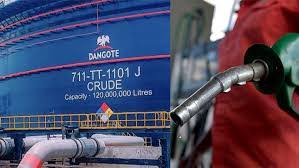

The Refinery Standoff: Dangote vs. NNPC
The long-simmering tension between the Dangote Refinery management and state energy actors has erupted into open corporate warfare. The multi-billion-dollar facility has officially accused the Nigerian National Petroleum Company (NNPC) and regulatory bodies of deliberate supply-chain sabotage, alleging that bureaucratic hurdles are intentionally starving the mega-refinery of domestic crude oil.
[Domestic Refinery Capacity] ──(Supply Bottlenecks)──> [Reliance on Imported Crude]
│
(Raises Costs)
▼
[Delayed Retail Relief]
The Core Conflict
The refinery's leadership claims that despite regulatory frameworks meant to prioritize domestic supply, it is being forced to source crude from international markets at a premium. This bottleneck threatens the refinery's goal of achieving self-sufficiency for local fuel consumption.
The Counter-Argument
The NNPC has fiercely pushed back against these allegations, pointing to existing forward-sale commitments of Nigeria’s equity crude and challenging the refinery's narrative. Regulators maintain they are operating within standard commercial boundaries.
The Consumer Impact
Despite this high-stakes deadlock, there is a silver lining at the pumps. Retail stations are beginning to reflect the facility's recent pricing updates, with petrol prices trickling down below ₦1,300 per litre in several regions. However, analysts warn that if local crude supply issues persist, these price cuts could be short-lived, as sustained reliance on imported crude will eventually force prices back up.