
Oyo abduction: Presidency slams Makinde over demand for UN probe
A fierce political and security row has erupted between the Federal Government and the Oyo State Government following the safe return of 45 abducted schoolchildren and teachers.
The confrontation began on Monday when Oyo State Governor Seyi Makinde demanded an independent, United Nations-backed investigation into the 56-day captivity of the victims. The Presidency swiftly hit back, accusing the governor of "weaponizing" a tragedy to fuel his undeclared 2027 presidential ambitions.
On May 15, 2026, armed bandits raided three schools in the Yawota and Ahoro Esienle communities of Oriire Local Government Area, Oyo State, seizing 39 pupils—some as young as four years old—and six teachers.
The victims were rescued and handed over to the Oyo State Government on Monday. However, the triumph of their return was immediately overshadowed by questions surrounding the security lapse. One mathematics teacher was killed during captivity, and several military and local Amotekun security personnel lost their lives during the rescue operation.
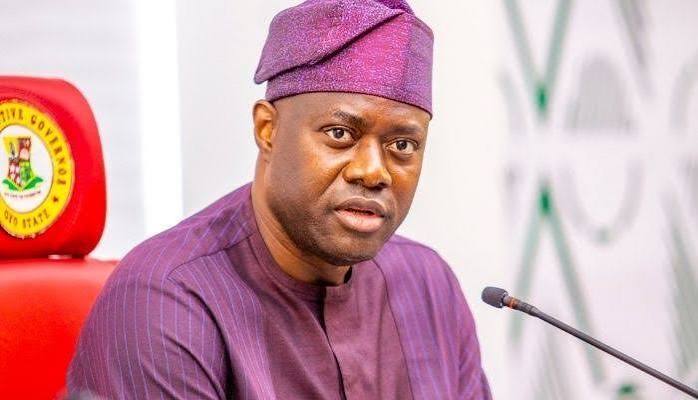
While formally assuming responsibility for the victims' rehabilitation at the Oyo State Secretariat in Ibadan, Governor Makinde argued that the sheer length of the captivity and the nature of the abduction demanded external scrutiny.
"The circumstances surrounding this incident are sufficiently grave and unusual to warrant independent scrutiny beyond our domestic institution,"* Makinde declared. *"This is not about politics. It is about justice for the victims, reassurance for our people, and restoring public confidence."*
The governor’s call for UN involvement has drawn support from several opposition parties—including the SDP, APGA, YPP, and NDC—who agree that an independent inquiry is necessary to restore public faith in the nation's security architecture.
The Presidency, speaking through Special Adviser on Information and Strategy Bayo Onanuga, rejected the governor's proposal. Onanuga accused Makinde of undermining Nigeria's sovereign military institutions and acting out of political self-interest.
"It is just unfortunate that Mr. Makinde, maybe because of politics, because he is a presidential candidate now, doesn't have any trust in our own institutions,"* Onanuga countered.
The Presidency emphasized that local forces paid the ultimate price to secure the hostages' release. Onanuga dismissed the idea of any systemic collusion, calling it "unthinkable" that domestic forces would deliberately subject young children to nearly two months of trauma.
While asserting that federal "doors are open" should the UN choose to investigate, the Presidency maintains the governor's push is a highly politicized distraction.
The clash highlights deep-seated tensions between state executives and federal command structures over regional security. With the 2027 general elections on the horizon, observers note that security failures are rapidly becoming the primary battleground for political influence. For now, as Oyo State begins the delicate process of rehabilitating the traumatized children, the political fallout from their 56-day ordeal is only just beginning.