
Dollar to Naira exchange rate today, July 7, 2026
The Nigerian Naira maintained its recent streak of stability against the United States Dollar through the morning sessions of Tuesday, July 7, 2026. Data from both official and parallel markets indicate that the premium between the two windows remains historically narrow, reflecting sustained liquidity support and pricing transparency measures from the Central Bank of Nigeria (CBN).
At the official Nigerian Foreign Exchange Market (NFEM), the Naira opened trading firmly within the tightly managed threshold seen over the last week. Volume-weighted transactions handled through the official window placed the baseline exchange rate at approximately ₦1,367.86 to $1
Data tracking the morning trajectory shows minor, stable fluctuations:
Time | Exchange Rate (₦/$)
| ₦1,367.67 |
| ₦1,368.32 |
|₦1,368.26 |
| ₦1,367.86 |
The closing figures from previous consecutive sessions—₦1,370.33 on Monday and ₦1,370.19 late last week—demonstrate that the official rate is strongly consolidating around the ₦1,365 to ₦1,375 margin.
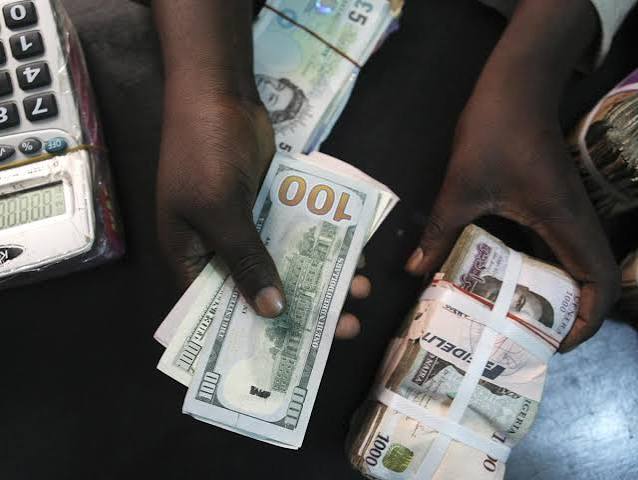
In the informal parallel market, commonly referred to as the black market, operations followed a similar trend of steady, range-bound pricing. Bureau De Change (BDC) operators and informal currency dealers across major commercial hubs in Lagos (such as Ikeja and Allen Avenue) and Abuja reported the following transaction bands:
Buying Rate: Hovering between ₦1,380 and ₦1,385 per dollar.
Selling Rate: Consistently quoted at ₦1,400 per dollar.
Financial analysts point out that the parallel market premium—the gap between the official and black market rates—remains below 3%. This narrow spread indicates an elimination of major arbitrage opportunities that historically distorted the local currency.
The stability observed today is largely attributed to the CBN's ongoing liquidity injections and strict enforcement of its Monetary Policy Rate (MPR), which currently stands at 26.50%. Higher interest rates on government securities continue to incentivize domestic investment, absorbing excess liquidity and easing retail pressure on the greenback. However, market participants note that demand from summer travelers and Q3 corporate importers will serve as the next true test for the Naira’s resilience later this month.