
Senate reverses principal offices rule as Oshiomhole slams Akpabio
As of today, Friday, May 8, 2026, the Nigerian Senate is dealing with the fallout of a dramatic policy reversal and a high-stakes leadership row.
The chamber has officially rescinded several controversial amendments to its Standing Orders that were introduced just days ago. Here is the breakdown of the situation as it stands this morning:
1. The Policy Reversal (Standing Orders)
Following intense internal pressure and warnings of constitutional illegality, the Senate moved to scrap new rules that would have drastically changed how leaders are chosen:
The "Oath-Taking" Reversal: The Senate restored the long-standing procedure where senators-elect choose the Senate President and Deputy Senate President before being sworn in. The reversed rule would have forced them to take their oaths first, which critics argued conflicted with Section 52 of the 1999 Constitution.
Ranking Requirement Debate: While there was significant pushback against the rule requiring a minimum of eight years (two terms) in the Senate to contest for principal offices, reports are emerging that the Senate has moved to scrap this "ranking rule" entirely to avoid further friction and potential lawsuits.
2. The Oshiomhole-Akpabio Clash
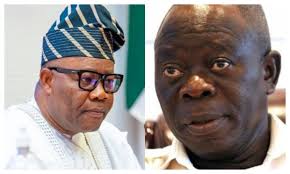
The tension between Senator Adams Oshiomhole (Edo North) and Senate President Godswill Akpabio has reached a boiling point:
The Heated Exchange: The drama began during Wednesday's plenary when Oshiomhole challenged the "rushed" nature of the rule changes. The confrontation saw Oshiomhole’s microphone briefly disabled, leading to a visible standoff on the floor.
Resignation Demand: Today’s reports confirm that Oshiomhole has explicitly called for Akpabio's resignation, citing a "moral crisis" and accusing the leadership of using the Senate’s rulebook to serve narrow personal interests rather than national ones.
"Youthful Exuberance": In a sharp critique during yesterday's session, Oshiomhole remarked that the average age of senators is over 40 and they have "no excuse for youthful exuberance" in making laws that disenfranchise colleagues.
3. Why the U-Turn?
The motion to rescind the changes was moved by Senate Leader Opeyemi Bamidele, who admitted that a "further constitutional review" showed the new rules would create "unintended tensions" with the Constitution.
The reversal is seen as a strategic retreat by Akpabio’s leadership to prevent a full-blown rebellion within the APC caucus, especially as factions begin to align for the 2027 political cycle.
"The way we rushed the rules because certain people wanted certain things concluded is what led to this error. Next time we should allow debate." — Senator Adams Oshiomhole, May 7, 2026.